Food Walking Tour vs Solo Eating: Find Authentic Flavor
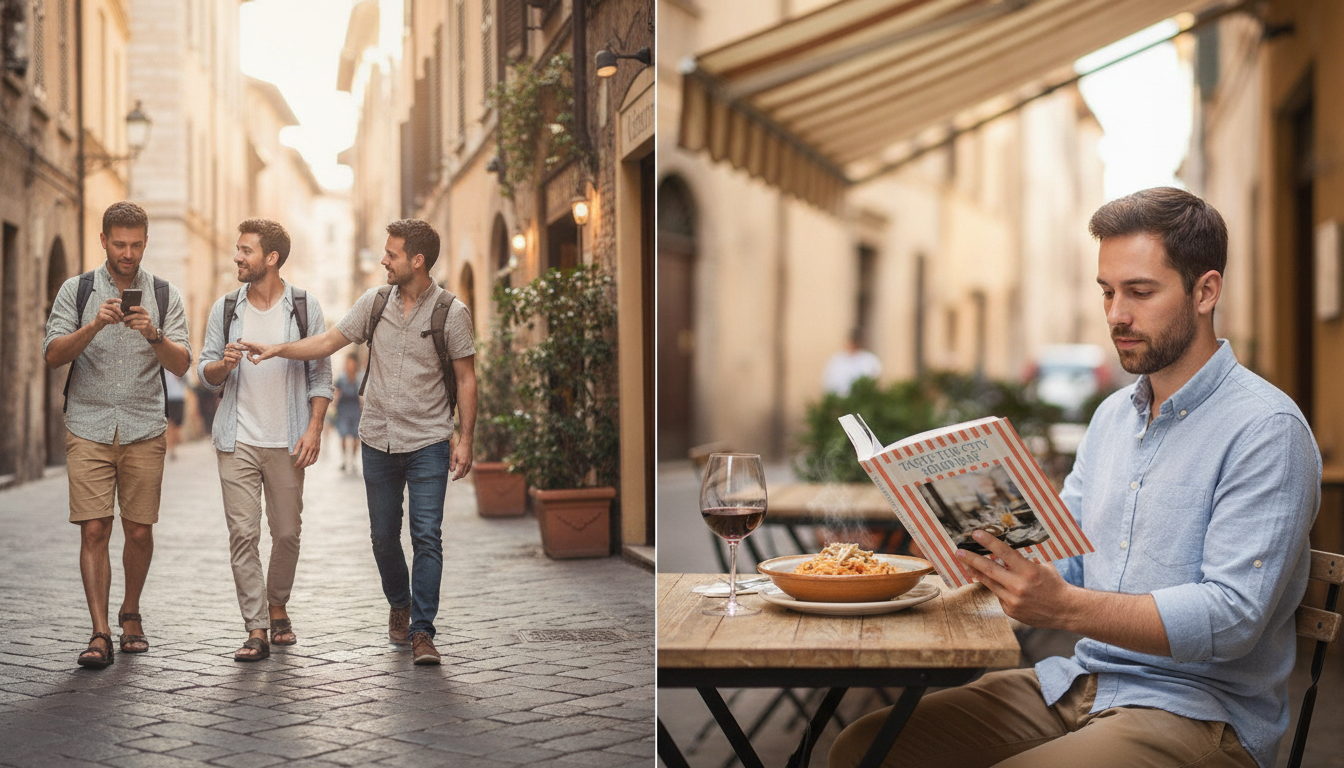
Taste the City Your Way: Food Walking Tour vs Going Alone for Authentic Local Experiences
Authentic food experiences come from more than “where to eat.” They come from timing, context, etiquette, and the confidence to order well—whether that means joining a guided food walk or building your own route. The best choice depends on what “authentic” means for the trip: a fast, story-rich overview; a slow, personal deep dive; or a mix of both that keeps meals memorable without turning every bite into homework.
Start With the Experience You Want (Not Just the Restaurants)
Before picking a tour or pinning a dozen spots on a map, get clear on the outcome. “Authentic” can look like discovery (many small bites), depth (learning one cuisine or neighborhood), or connection (meeting people and hearing stories that make the food make sense).
- Define your outcome: Do you want a sampler flight across the city, or one standout meal you’ll remember for years?
- Choose a focus: Street food, market snacks, coffee and pastries, regional specialties, or modern dining all reward different strategies.
- Match energy to schedule: Tours shine when time is tight; solo wandering shines when the day can stretch and shift.
- Set guardrails: Dietary needs, spice tolerance, alcohol preferences, mobility considerations, and comfort with language barriers should shape the plan—not get patched in later.
Food Walking Tour: When a Guide Creates Better Authenticity
A good guide doesn’t “tourist-proof” the city—they translate it. The right food walking tour can feel more authentic than going alone because it adds the missing layer: why a dish exists, why it tastes like it does here, and how locals actually order it.
- Context on demand: You’ll pick up the backstory of dishes, ingredient sourcing, neighborhood identity, and what makes a vendor truly respected.
- Curated variety: Multiple stops in one outing reduces decision fatigue and increases range—savory, sweet, drinks, and markets—without needing hours of research.
- Ordering confidence: Guides help decode unlabeled items, regional slang, and etiquette (including when to customize and when not to).
- Safer first steps: Especially useful in unfamiliar neighborhoods, late afternoons/evenings, or destinations where scams are common.
- Social layer: Instant shared experience with other travelers—and sometimes vendor introductions that lead to the best recommendations.
Tradeoffs to watch: fixed pacing, larger groups, and occasional “tour-friendly” stops. If authenticity is the priority, look for small-group formats and transparent vendor relationships (you should be able to tell whether a stop is there for quality, not convenience).
Going Alone: When Self-Guiding Feels More Local
Self-guiding can feel deeply local because it mirrors how residents eat: based on routine, cravings, and what looks best right now. Going alone also turns the city into a conversation—one that changes with the hour.
- Freedom to follow curiosity: Linger at one stall, detour for a seasonal special, or return for a second round without worrying about group timing.
- Better fit for personal needs: Control spice, skip alcohol, avoid allergens, or chase niche foods (like one specific dumpling style or one bakery item).
- More unplanned conversation: Solo diners often get extra attention; one respectful question can unlock a fresh recommendation nearby.
- Budget control: Pay only for what you actually want; splurge on one anchor meal instead of several tastings.
- Neighborhood rhythm: Early-morning bakeries, lunchtime queues, and evening street vendors reveal daily life better than a packed itinerary.
Common pitfalls: over-ordering (especially when everything looks good), “tourist-trap clustering” near major sights, and missed hidden hours (closed days, sold-out items, limited prep windows).
Side-by-Side Comparison: Tour vs Solo (Use This to Decide in 2 Minutes)
If context and efficiency matter most, choose a tour. If flexibility and depth matter most, go solo. If the goal is the richest experience with the least stress, do both: tour early, then wander with confidence.
| Factor | Food Walking Tour | Going Alone |
|---|---|---|
| Best for | First day, short trips, nervous eaters | Slow travel, repeat visits, niche cravings |
| Authenticity lever | Story, history, vendor relationships | Serendipity, local timing, personal rapport |
| Cost control | Fixed price, multiple tastings | Pay-as-you-go, can go very low or very high |
| Learning | High structure; guided explanations | Self-research; learn by doing and asking |
| Risk | Lower navigation/scam risk | Depends on street-smarts and preparation |
| Pacing | Set schedule, group speed | Fully flexible; linger or sprint |
Authenticity Without the Awkwardness: Etiquette That Works Everywhere
Safety, Food Handling, and Dietary Needs (Practical, Not Paranoid)
Street food can be both authentic and safe when you use simple, proven checks. For detailed guidance, the CDC Travelers’ Health—Food and Water Safety and the WHO Five Keys to Safer Food are solid references.
A Simple Hybrid Plan: Tour for Orientation, Solo for Discovery
Using “Taste the City Your Way” to Plan Without Overplanning
If you want a simple system you can reuse in any destination, Taste the City Your Way – travel food guide is built around practical decisions: when to tour, when to wander, what to ask, and how to spot high-signal neighborhoods without turning your trip into a checklist.
Helpful digital guides to pair with your trip planning
- Taste the City Your Way – A Thoughtful Travel Food Guide Exploring Food Walking Tour vs Going Alone for Authentic Local Experiences
- The Ultimate Productivity Blueprint | Digital Productivity Guide for Goal Setting, Time Management & Daily Routines
- Fuel Your Life: The Ultimate Healthy Eating Starter Bundle | 4-in-1 Bundle Digital Download | Healthy Eating PDF + Audio
FAQ
Who is the founder of taste the city?
Multiple projects and businesses use similar names, so the founder depends on which specific “Taste the City” you mean. Check the official website’s About page, the product credits, or the publisher details for the exact founder name tied to that version.









Leave a comment